Health and Safety Policy for Carpet Cleaners BR3
 This Health and Safety Policy sets out the standards expected from carpet cleaners BR3 when carrying out cleaning work in homes, workplaces, and communal areas. The aim is to protect staff, clients, visitors, and anyone else who may be affected by cleaning activities. A safe working approach supports consistent service quality, reduces disruption, and helps prevent avoidable incidents. This policy applies to all carpet cleaning operatives, supervisors, and anyone working on behalf of the business.
We recognise that carpet and upholstery cleaning involves a range of hazards, including wet surfaces, cleaning chemicals, lifting equipment, electricity, restricted spaces, and exposure to dust or allergens. Our approach is based on identifying risks before work starts, controlling those risks during the job, and reviewing any issues afterwards. All employees are expected to follow safe systems of work and to act responsibly at all times.
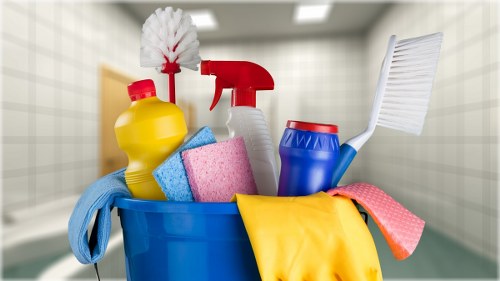 Carpet cleaning in BR3 must be undertaken with care, planning, and attention to detail. No task should begin until the operative understands the condition of the property, the type of flooring or fabric involved, and any special concerns such as fragile furnishings, pets, children, or medical sensitivities. Good communication before and during the job is essential.
General Responsibilities
Managers are responsible for ensuring that equipment is maintained, staff receive suitable training, and work is properly supervised where needed. Operatives are responsible for following instructions, using equipment correctly, and reporting hazards, defects, or incidents immediately. Everyone must take reasonable care for their own safety and the safety of others.
Where a task cannot be carried out safely, it must be paused until the issue is resolved. This may include removing obstacles, improving ventilation, isolating power sources, or changing the cleaning method. Safety takes priority over speed, and no employee should feel pressured to continue a task if conditions are unsafe.
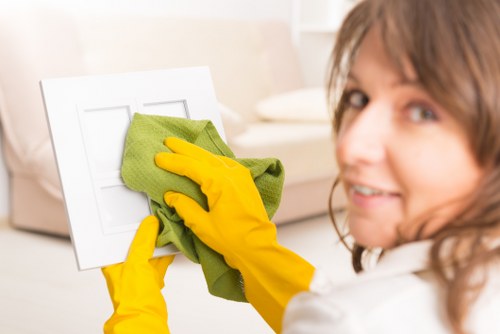 Risk assessments should be completed before work begins, especially for large jobs, delicate materials, or locations with known access difficulties. These assessments should consider slip hazards, manual handling, chemical exposure, electrical safety, and the possibility of cross-contamination between areas.
Safe Working Practices
All cleaning equipment must be inspected before use. Damaged hoses, faulty plugs, worn cables, or leaking tanks must not be used. Electrical equipment should only be operated in dry, controlled conditions and kept away from standing water wherever possible. Cables should be positioned to reduce trip hazards, and work areas should be managed to keep clients and occupants clear of active cleaning zones.
Cleaning products must be stored, handled, and diluted according to manufacturer instructions. Operatives should wear appropriate personal protective equipment where required, such as gloves, protective footwear, or eye protection. Strong chemicals should never be mixed unless specifically instructed, and containers must be clearly labelled. Adequate ventilation should be maintained when using sprays, solvents, or treatments that may produce fumes.
Carpet cleaners BR3 must also use safe manual handling techniques. Equipment, water containers, and furniture should be moved only when necessary and with proper assistance if needed. Workers should avoid awkward twisting, overreaching, or lifting loads beyond their capability. Team lifting should be used for heavy items, and the work area should be prepared in advance to reduce unnecessary movement.
Managing Hazards During Work
 Wet carpets and freshly cleaned areas can create slip risks, so clear warning signs or verbal warnings should be used where appropriate. If the surface remains damp after cleaning, the area should be left protected and restricted until safe to use. Spills should be cleaned immediately, and used towels or absorbent materials should be disposed of or handled safely.
Where work is carried out in occupied properties, special care must be taken around residents, clients, and other contractors. Children and pets should be kept away from equipment and treated surfaces. Noise should be managed sensitively, and access routes should remain clear. Any fragile or valuable items should be identified beforehand and protected or moved only with permission.
In the event of an accident, injury, chemical splash, equipment failure, or near miss, the incident must be reported without delay. First aid should be provided by trained staff where necessary, and emergency procedures must be followed. Records should be kept so that trends can be reviewed and future risks reduced. Accurate reporting helps improve standards and prevent repeat problems.
Training, Monitoring, and Review
All operatives should receive induction training and ongoing refresher support covering equipment use, chemical safety, emergency actions, and safe customer-site behaviour. Supervisors should monitor compliance through observation, spot checks, and routine reviews of work practices. When standards fall short, corrective action should be taken promptly.
Health and safety arrangements should be reviewed regularly to ensure they remain suitable and effective. Changes in equipment, products, staffing, or working methods may require updated controls. Lessons learned from incidents, customer sites, or internal checks should be used to strengthen procedures.
 This policy reflects the commitment of carpet cleaners BR3 to work responsibly, protect people, and maintain a clean and safe environment throughout every cleaning task. By following these principles, the business supports safer outcomes, reliable service delivery, and professional standards across all carpet cleaning work.